



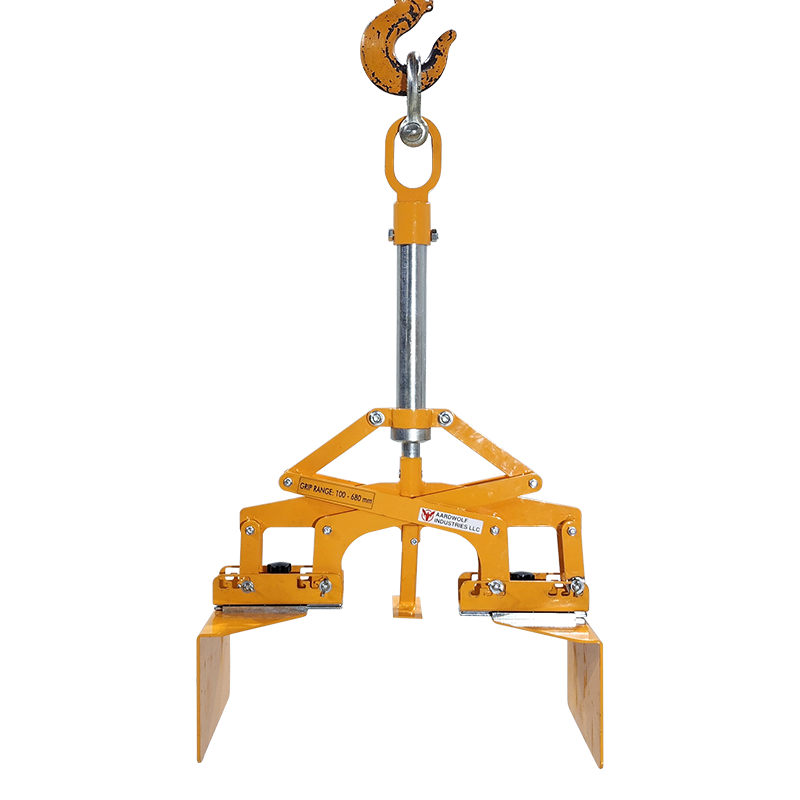
Which Is an Example of Manual Material Handling Equipment?
While advanced automated material handling systems are becoming more common, many workplaces still rely heavily on manual material handling tools for everyday tasks.




While advanced automated material handling systems are becoming more common, many workplaces still rely heavily on manual material handling tools for everyday tasks.
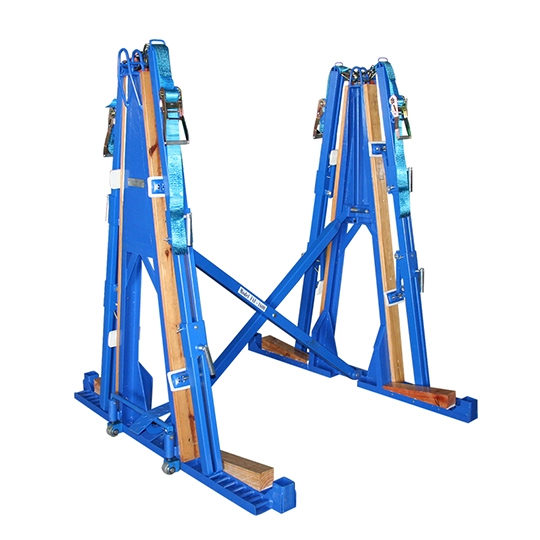
In every industrial sector, raw material handling plays a vital role in ensuring smooth production, cost-efficiency, and workplace safety.
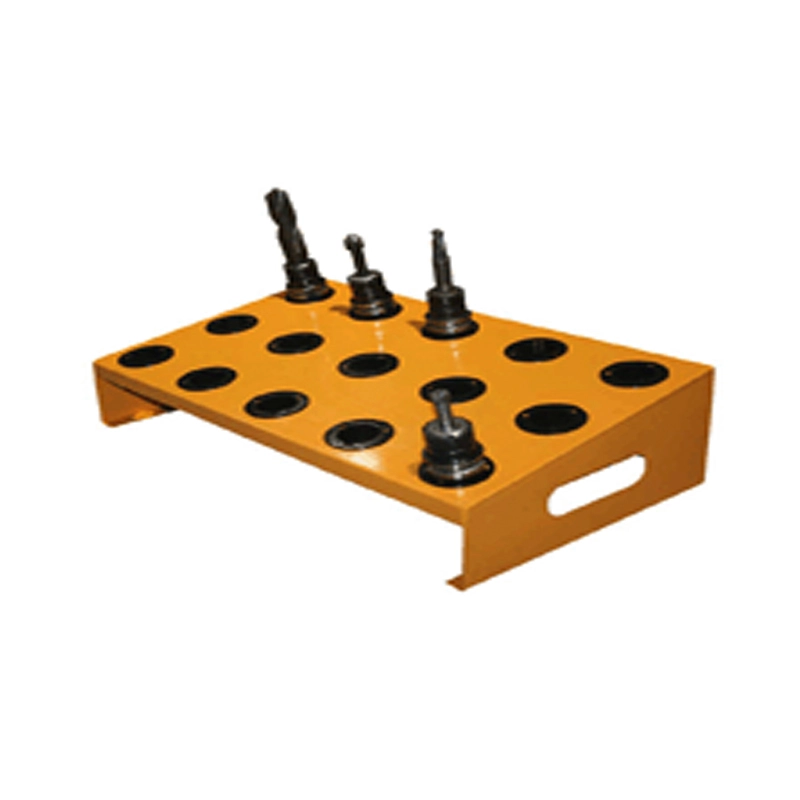
The material handling process is the backbone of industrial and warehouse operations. It involves the movement, protection, storage, and control of goods throughout their lifecycle, from raw materials to finished products.
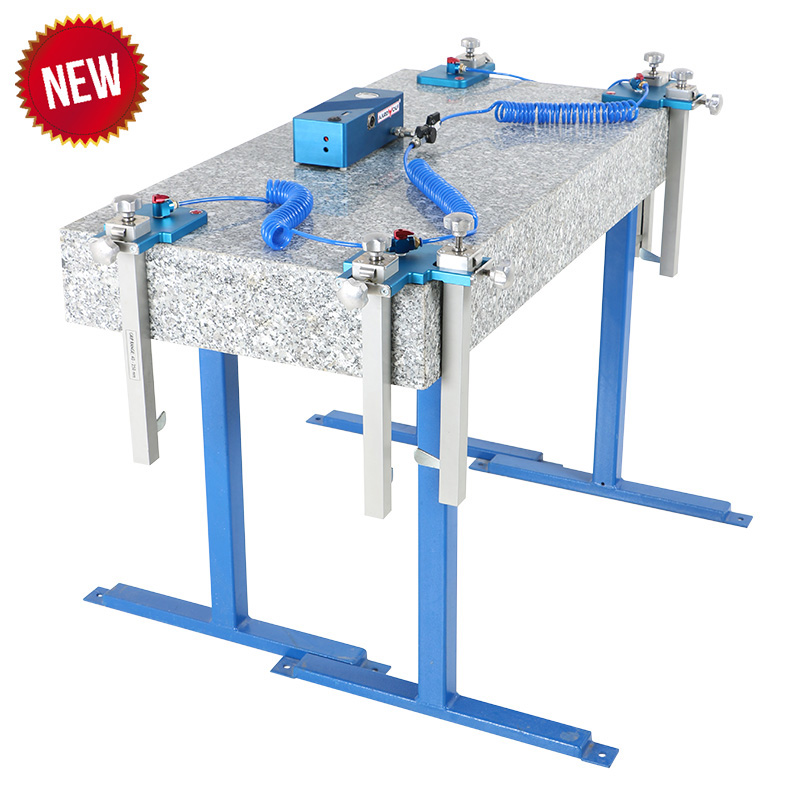
A material handling job involves the movement, protection, storage, and control of goods and products throughout the different stages of manufacturing, warehousing, logistics, and distribution.
When job descriptions in logistics, warehousing, or manufacturing mention “material handling experience,” they’re referring to an individual’s ability to work safely and efficiently with material handling equipment.
In industrial settings, warehouses, and construction sites, efficiency depends on how well materials are moved, stored, and protected. This is where material handling equipment comes in.
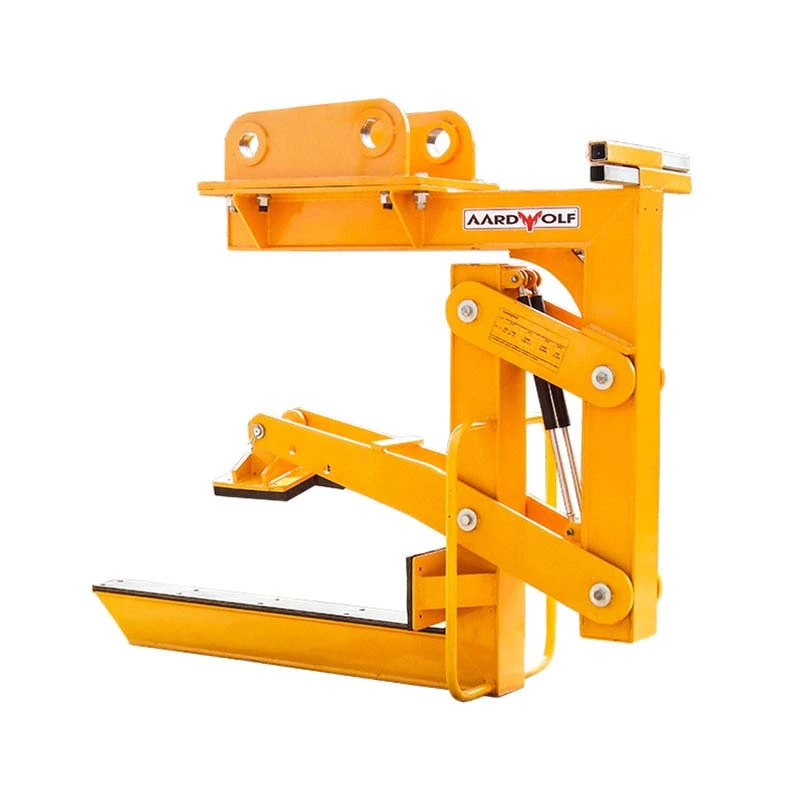
Whether businesses rely on manual material handling tools or advanced automated material handling systems, the processes and equipment used play a pivotal role in efficiency, safety, and cost control.
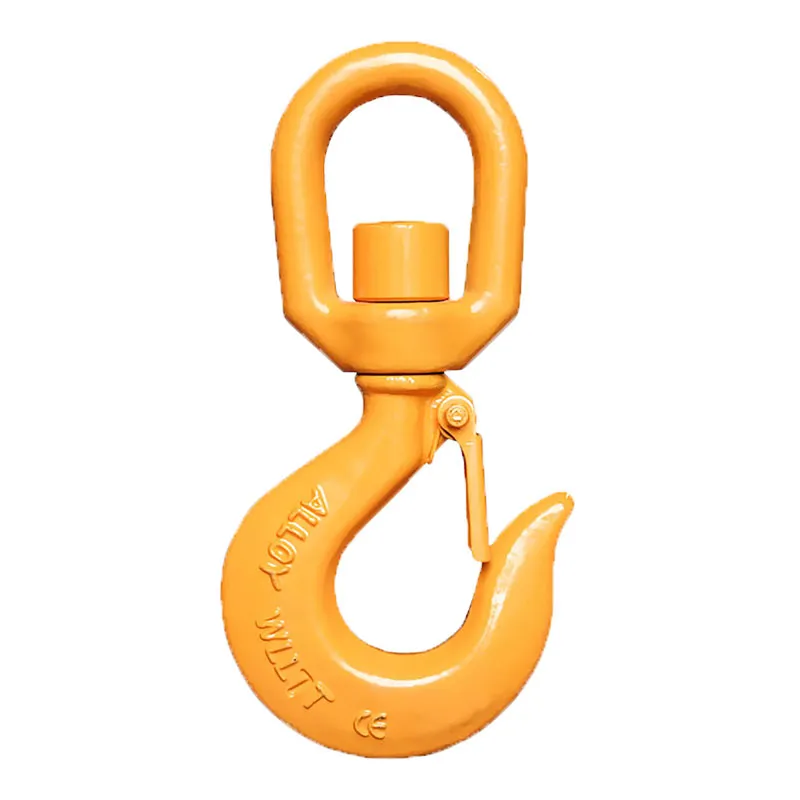
In industries where raw materials drive production, efficiency depends on how these materials are stored, transported, and processed. This is where bulk material handling equipment comes into play.
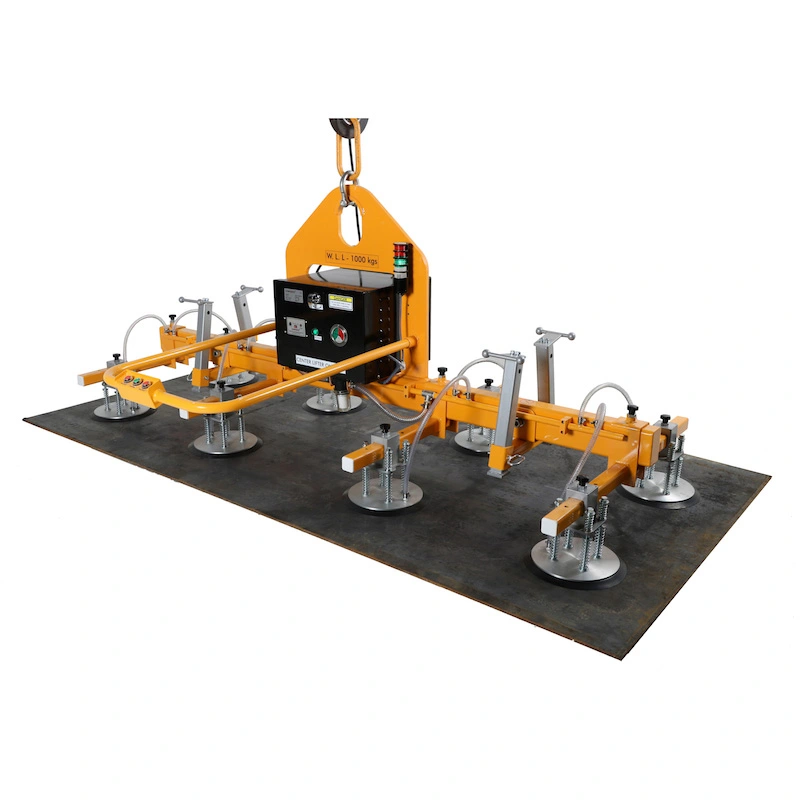
The movement of raw materials is at the heart of every industrial process. From grains in agriculture to cement in construction and chemicals in manufacturing, industries depend on bulk material handling systems to transport, store, and process large volumes of loose or granular products efficiently.

This has given rise to automated material handling systems (AMHS)—innovations that go beyond traditional manual material handling tools by leveraging robotics, AI, and smart technologies to optimize the movement, storage, and control of materials.